
This season I’m back at the raised beds in the community garden I have been a part of since the 2023 growing season. As I worked the soil, got plants started this past weekend, and felt the high that I get when I’m in the sun with my hands in the dirt for hours on end, followed by sore muscles and the need for a nap, I had the realization that I bask in the possibility and renewal of spring with the same optimism and excitement that most people reserve for January 1.
Since I started gardening, I really feel that spring is the true start of the year for me. The days are longer, things are blooming, and I’m deep in the elation that comes along with planning and starting my garden for the season.
And this year is no exception. Although we’ve gotten off to a rough start this spring in my neck of the woods, with tornadoes, heavy rains, and flooding, I’m hopeful that we’re finally going to get the mild, sunny weather we’re due!
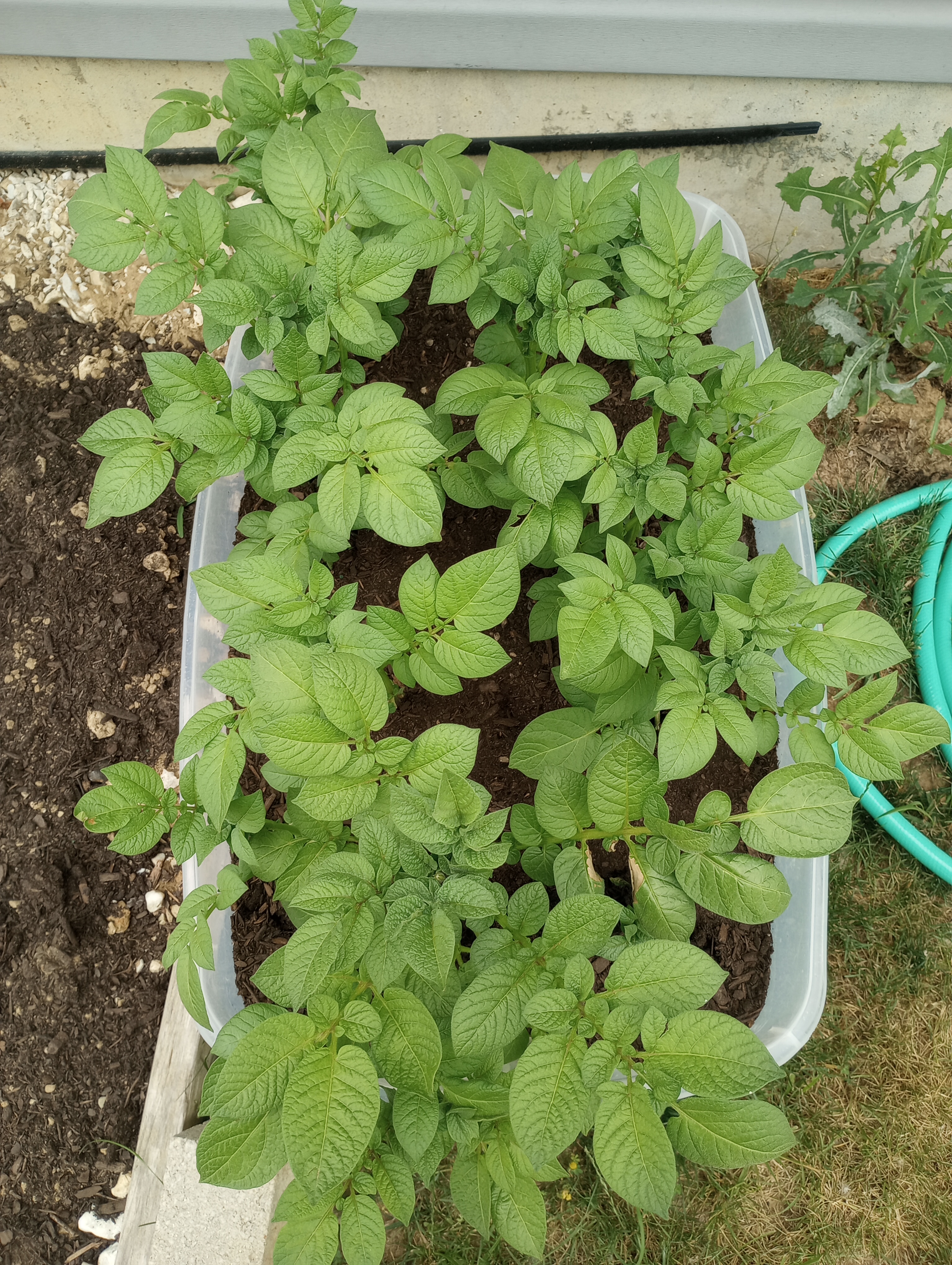
I made the ambitious goal of growing my biggest garden ever in 2025, and so far, I’m on the right track. I won’t bore you with a list of every single thing I plan to grow this year, we’d be here all day if I did 😀
But I will tell you that I’ve planted what I hope will be a year’s worth of onions, a year’s worth of green beans, and corn, which I’m growing for the first time ever, so if it’s not a year’s worth of the crop, that’s okay. I’m also close to putting some of my warm weather seedlings into the ground, while others, like pinto and black beans, as well as gourds like pumpkins, will wait just a bit longer to make sure we don’t get a fluke frost.
Last year I read a book called Growing an Edible Landscape, and I can’t recall if I shared anything about that book here previously, but it really got the wheels turning for me. It explained the process of basically turning (all or part of) your lawn into a place to grow food rather than the standard grass that doesn’t serve any real purpose beyond aesthetics and having to be cut repeatedly each season.
I’ve once again checked out the title out from my local library because it opened my eyes to so many aspects of growing food, and the part that long-term planning can play in your garden. And earlier this year I bought some berry plants, even though I had to get them started in five-gallon buckets because I don’t have a permanent in-ground home for them, yet. Another change I’ve implemented from reading the book is growing herbs that not only attract pollinators, but that will also serve another purpose, like making into tea. As of this post, I’ve started or will start, mint, lemon balm, chamomile, holy basil, and echinacea.
There’s a lot of other garden news I’ll be sharing later this spring, and if you’re not here for gardening info, sorry! I’m hoping to implement some new growing methods (trellis, container, micro-climates, and support methods). I know this sounds vague, but I don’t want to share until I’ve finished or started these projects and I have images to share, so stay tuned, and if you’re a gardener, happy growing!
 Amanda Bretz